.png)
Why Education Matters More Than Awareness in Sickle Cell Care

We hear a lot about sickle cell disease these days, which is great. Awareness is definitely important, but it's not the whole story. When it comes to actually managing sickle cell and living well with it, knowing the details and understanding how things work is way more critical. Think of it like this: knowing a car has a flat tire is awareness, but knowing how to change it is education. For people with sickle cell, education is what truly helps them take control of their health and well-being.
Key Takeaways
Understanding sickle cell disease, including its causes and how it affects the body, is the first step in effective care. This knowledge helps patients and families grasp the condition's impact.
Education goes beyond just knowing sickle cell exists; it means learning how to manage it daily. This includes knowing treatment options, recognizing warning signs, and understanding how to prevent complications.
While awareness helps reduce stigma and encourages empathy, education provides the practical skills and information needed for active participation in treatment and decision-making.
As patients transition from childhood to adulthood, education becomes even more vital. It equips them to understand their bodies, communicate their needs effectively, and manage their health independently.
Schools, community groups, and families all play a role in providing and reinforcing education, creating a supportive network that helps individuals with sickle cell disease live fuller lives.
Understanding Sickle Cell Disease: The Foundation of Care
Defining Sickle Cell Disease and Its Impact
Sickle cell disease, or SCD, is something people are born with. It's a condition that affects your red blood cells. Normally, red blood cells are round and flexible, like tiny, soft donuts. This shape helps them move easily through all your blood vessels, even the small ones, delivering oxygen to your body. But with sickle cell disease, some of these red blood cells aren't round. They can be shaped like a crescent moon, or a sickle. This sickle shape makes them stiff and sticky. They can get stuck in blood vessels, blocking blood flow. This blockage can cause a lot of pain, which we call a pain crisis. It can also lead to damage in different parts of the body over time, like the spleen, kidneys, or even the brain. It's a lifelong condition, and understanding it is the first step in managing it well.
The Unique Challenges Faced by Adolescents
Growing up with sickle cell disease brings its own set of hurdles, especially during the teenage years. This is a time when young people are figuring out who they are, dealing with school, friends, and all the changes that come with becoming an adult. For teens with SCD, they're also managing their health on top of all that. They might be dealing with pain, fatigue, or frequent doctor visits. It can be tough to keep up with schoolwork or social activities. Plus, as they get older, they start thinking about moving from children's healthcare to adult healthcare, which can feel like a big, confusing step. Learning to manage their own health is a big part of this transition, and it's not always easy.
Inheritance Patterns and Physiological Effects
Sickle cell disease is passed down from parents to children. You inherit genes from both your mom and dad. If you get a sickle cell gene from one parent and a regular gene from the other, you have something called sickle cell trait. People with sickle cell trait usually don't have symptoms, but they can pass the gene on. If you get the sickle cell gene from both parents, then you have sickle cell disease. The sickle gene causes the body to make hemoglobin S, which is the type of hemoglobin that can cause red blood cells to sickle. This sickling is what leads to the problems we talked about – the blockages, the pain, and the potential for organ damage. It's a complex process, but knowing how it works helps us understand why certain things happen in the body.
It's important to remember that sickle cell disease is not contagious. You can't catch it from someone else. It's something that's present from birth, determined by the genes inherited from parents.
Here's a simple look at how it works:
Normal Red Blood Cell: Round, flexible, flows easily.
Sickled Red Blood Cell: Crescent-shaped, stiff, can block blood flow.
Consequences: Pain crises, organ damage, anemia.
Understanding these basic facts about sickle cell disease is the starting point for everyone involved – patients, families, and healthcare providers. It lays the groundwork for better care and support. For more information on sickle cell disease, you can check out resources like the Sickle Cell Disease Association of Canada.
Empowering Patients Through Comprehensive Education
Defining Sickle Cell Disease and Its Impact
When you're living with sickle cell disease (SCD), knowing what's going on with your body is half the battle. It's not just about knowing you have it; it's about understanding how it works. SCD is a condition where your red blood cells, which are supposed to be round and soft like donuts, become stiff and shaped like a sickle or a crescent moon. These sickle-shaped cells can get stuck in small blood vessels, blocking blood flow. This blockage can cause a lot of pain, called a pain crisis, and can also damage organs over time. It's important to learn about these things so you can better manage your health.
The Unique Challenges Faced by Adolescents
Growing up with a chronic illness like sickle cell disease brings its own set of hurdles, especially during the teenage years. This is a time when kids are trying to figure out who they are, gain independence, and fit in with their friends. Managing SCD on top of all that can feel overwhelming. You might be dealing with pain, fatigue, and frequent doctor visits, which can make it hard to keep up with school, sports, or social activities. It's a delicate balance, and having good information helps teens feel more in control.
Inheritance Patterns and Physiological Effects
Understanding how sickle cell disease is passed down can be helpful for families. It's a genetic condition, meaning it's inherited from parents. You usually get the sickle cell trait if you inherit one gene for sickle hemoglobin from one parent and a normal hemoglobin gene from the other. If you inherit the sickle cell gene from both parents, you have sickle cell disease. Knowing these patterns can help with family planning and understanding risks. The physiological effects are varied, from the pain crises we talked about to issues like anemia (low red blood cell count) and increased risk of infections. Learning about these effects is key to managing the condition day-to-day. For more detailed information on how these conditions are inherited, you can look into genetic counseling services.
Here's a quick look at some common effects:
Pain Crises: Sudden, severe pain in the chest, arms, legs, or back.
Anemia: Feeling tired and weak because there aren't enough healthy red blood cells.
Swelling: Swelling in hands and feet, especially in babies and young children.
Infections: Higher risk of serious infections.
Education helps bridge the gap between what doctors know and what patients and their families need to know to live well with sickle cell disease. It's about making sure everyone involved has the right information to make good decisions about care.
Beyond Awareness: The Critical Role of Education
It's great when people know about sickle cell disease. Awareness is a good first step. But knowing about something isn't the same as knowing how to manage it. That's where education really comes in. Think of it like this: you might be aware that a car needs gas to run, but you need education to know how to fill the tank, check the oil, and change a tire. For sickle cell, education goes much deeper.
Why Education Matters More Than Awareness
Awareness can help people understand that sickle cell disease exists and what it generally is. It might reduce some of the shock or confusion when someone mentions it. However, education provides the practical knowledge needed to live with and manage the condition. It's the difference between knowing a problem exists and knowing how to solve it. True understanding comes from learning the details, not just the headlines.
Addressing Stigmas Through Accurate Information
Unfortunately, sickle cell disease has been surrounded by a lot of myths and negative ideas. Some people might think it's a curse, or that those with the condition are just looking for attention. This isn't true, and it causes real harm. Education helps to clear up these misunderstandings. By sharing facts about how sickle cell disease is inherited and how it affects the body, we can replace harmful ideas with truth. This accurate information can lead to more kindness and better treatment for patients. It helps people see the person, not just the disease. Learning about sickle cell can help reduce the stigma.
Improving Healthcare Interactions Through Knowledge
When patients and their families are well-educated about sickle cell, they can talk more effectively with their doctors. They can ask better questions and understand the answers. This means they can be more active partners in their own care. Knowing what to expect, what symptoms are serious, and what treatments are available makes a big difference. It can lead to quicker care and fewer complications. It also helps build trust between patients and their healthcare providers, making visits less stressful and more productive. This knowledge helps patients feel more in control of their health journey.
Navigating Transitions with Educational Support
Transitioning to Adult Care: Information Gaps
Moving from being a kid with sickle cell to a young adult can feel like a big jump. For a long time, parents or guardians have been right there, helping manage appointments, medications, and understanding what’s going on. But as you get older, especially in your teenage years, you start to learn your own body better. You figure out what you can do and what might be too much. It’s a natural part of growing up, and it’s important that the people around you start to trust your judgment more. However, there can be gaps in what young people know when it comes to managing sickle cell as an adult. Things like understanding why certain tests, like transcranial Doppler (TCD) ultrasounds, are important, or knowing what to do if a sickle cell emergency happens, might not have been fully explained before. Filling these knowledge gaps is key to making sure young adults feel ready for this next stage.
Empowering Youth to Become Their Own Health Experts
Education plays a big role in helping young people with sickle cell become their own advocates. When kids and teens understand their condition, they can talk about it more easily. For example, having simple materials that explain sickle cell can help them tell friends or teachers what’s happening, especially if they’re feeling unwell. This kind of knowledge helps them feel more confident. It’s not just about knowing the medical facts; it’s about knowing how to ask for help, understanding treatment options, and feeling comfortable talking to doctors. When young people learn about their condition in ways that make sense to them, they can take a more active part in their own care.
The Importance of Age-Appropriate Educational Materials
What works for a young child won't necessarily work for a teenager, and vice versa. Educational materials need to be designed for the specific age group they're meant for. For younger kids, simple stories or pictures might be best. For older teens, more detailed information, perhaps in videos or written guides, that explains the 'why' behind treatments and tests can be more helpful. It’s also important that these materials are easy to understand, no matter what language someone speaks. Using different ways to share information, like videos, simple written guides, or even talking with peers who also have sickle cell, can make a big difference in how well young people learn and manage their health.
For younger children: Focus on basic explanations of what sickle cell is and how it might affect them day-to-day.
For adolescents: Provide more detail on treatment plans, the importance of tests, and how to manage potential complications.
For young adults: Offer information on transitioning to adult healthcare providers and understanding long-term health management.
Learning about sickle cell disease shouldn't stop when you leave the pediatrician's office. Having clear, easy-to-find information that grows with you is vital for taking charge of your health as you get older.
Proactive Health Management Through Education
When you're living with sickle cell disease, knowing what to do and when is super important. It's not just about knowing you have it; it's about understanding how to keep yourself as healthy as possible day-to-day. This means learning to spot the signs that something might be off before it becomes a big problem.
Recognizing Warning Signs and Triggers
Think of your body like a car. Sometimes, it gives you little signals that it needs attention. For sickle cell, these signals can be things like feeling more tired than usual, having a mild fever, or noticing pain starting in your chest, back, or limbs. These aren't always emergencies, but they're your body's way of saying, "Hey, pay attention!" Learning what usually sets off these feelings for you is key. Some common triggers can include getting too hot or too cold, not drinking enough water, or getting stressed out. Keeping a simple log can help you and your doctor see patterns.
Increased tiredness
Mild fever
New or worsening pain
Changes in breathing
Feeling very thirsty
Active Participation in Personalized Treatment Plans
Your treatment plan isn't just a list of things to do; it's a roadmap designed just for you. Being involved means understanding why you take certain medicines, like hydroxyurea, and what they do. It also means talking openly with your healthcare team about how you're feeling and if the plan is working for you. Your input is vital in making sure your treatment stays on track and fits your life. This might involve regular check-ups, blood tests, and sometimes special treatments like blood transfusions. It's a team effort, and you're a key player.
Preparation for Emergencies and Crisis Management
Even with the best daily care, sickle cell crises can happen. Knowing what to do beforehand can make a big difference. This includes having a plan for when you feel a crisis coming on. It means knowing who to call, like your doctor or a local clinic, and what information they'll need. Having a small kit ready with essentials can also be helpful if you need to go to the hospital quickly. It's all about being prepared so you can get the care you need without delay. You can find more information on managing sickle cell through resources like the Sickle Cell Association.
Being prepared doesn't mean living in fear. It means having the knowledge and tools to manage your health confidently, reducing the chances of unexpected problems and knowing how to respond if they do occur.
Building Supportive Environments Through Education
It's not just about the doctors and nurses; the people around someone with sickle cell disease (SCD) play a big part in how things go. When friends, family, and even teachers understand what SCD is all about, it makes a huge difference. This isn't just about knowing the disease exists, but really getting what it means for daily life.
The Role of Schools in Educating Staff and Peers
Schools can be a really important place for learning about SCD. Kids with SCD might miss school for appointments or feel unwell sometimes. If teachers and school staff know about the condition, they can be more understanding and help make sure the student doesn't fall too far behind. It's also helpful for classmates to learn about SCD. When peers understand, they can be more supportive and less likely to misunderstand or exclude someone. This kind of education can help prevent bullying and create a kinder atmosphere.
Here’s what schools can do:
Train staff: Teach teachers and support staff about SCD, including common symptoms and how to respond if a student has a crisis.
Educate students: Hold age-appropriate sessions for students to learn about SCD, focusing on empathy and understanding.
Support students: Work with students and their families to create plans for missed school days or necessary accommodations.
Community Organizations as Educational Hubs
Groups outside of school and the doctor's office can also be great places to learn. Community organizations often host events or support groups. These can be places where families can meet others going through similar things. Sharing experiences can make people feel less alone and provide practical tips for managing SCD. These groups can also connect families with local resources they might need, like help with transportation to appointments or information about financial aid.
Family Involvement in Disease Management Education
For families, learning together is key. When everyone in the household understands SCD, they can better support the person with the condition. This means knowing how to help with medications, recognizing when something is wrong, and understanding the treatment plan. It's about creating a team at home that works together to keep everyone healthy and happy.
Learning about sickle cell disease isn't a one-time thing. It's an ongoing process for everyone involved. The more people understand, the more support and care can be built around those living with SCD.
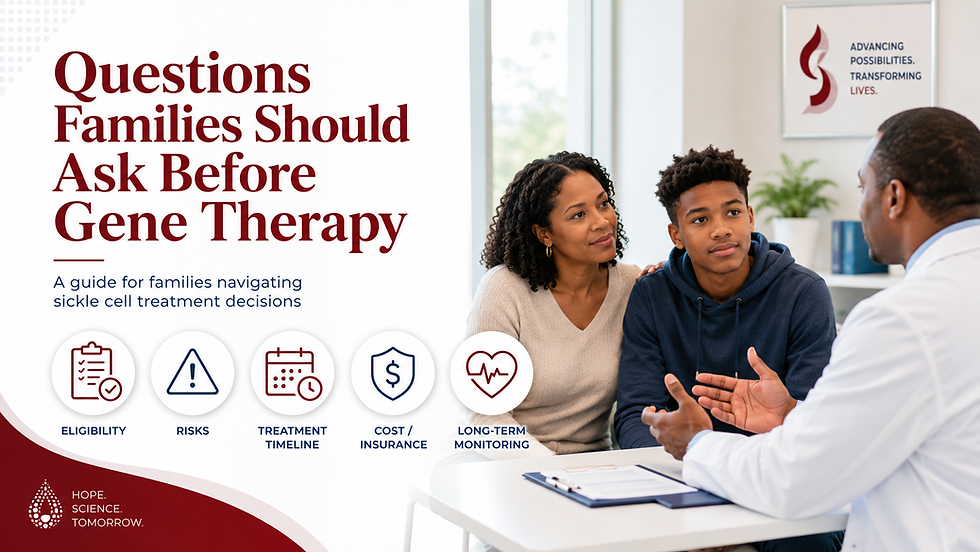
Creating a safe and helpful space through education is super important. When families understand their options, they feel more empowered. We believe that learning more about gene therapy and what comes next can make a huge difference. Want to learn how we help families build these supportive environments? Visit our website to discover more.
The Real Takeaway
Look, spreading the word about sickle cell is important, no doubt about it. We need people to know it exists and what it does. But just knowing isn't enough, is it? It's like knowing how to swim but never actually getting in the water. For folks living with sickle cell, and their families, true progress comes from really digging into the details. It means understanding the ins and outs of the disease, knowing what treatments are out there, and how to manage things day-to-day. When people are educated, they can make better choices, ask the right questions, and take charge of their own health journey. Awareness gets the ball rolling, but education is what keeps it moving forward, making a real difference in people's lives.
Frequently Asked Questions
What exactly is sickle cell disease?
Sickle cell disease, often called SCD, is a sickness you're born with that changes the shape of your red blood cells. Normally, red blood cells are round and move easily through your body. But with SCD, they can become stiff and shaped like a crescent moon, or a sickle. This shape makes it hard for them to travel through small blood vessels, which can cause pain and other health problems.
Why is understanding sickle cell disease so important?
Knowing about sickle cell disease is the first step to taking care of yourself or someone you know who has it. It helps you understand why certain things happen, like pain episodes, and how to manage them. It's like having a map to navigate the challenges that come with SCD, making it easier to stay healthy and well.
How is education different from just being aware of sickle cell disease?
Awareness means knowing that sickle cell disease exists. Education goes much deeper. It's about truly understanding how SCD works, its effects, and what can be done about it. Think of it like this: awareness is seeing a problem, while education is learning how to fix it or manage it effectively. Education empowers you with knowledge to make smart choices about your health.
What are some common challenges teenagers with sickle cell disease face?
Teenagers with sickle cell disease often deal with more than just the usual ups and downs of being a teen. They also have to manage their health, which can be tough. This might include dealing with pain, going to doctor's appointments, and figuring out how to balance school, friends, and their health condition. It's a lot to handle, and having good support and information is key.
How can education help someone with sickle cell disease make better treatment choices?
When you understand your condition, you can talk more effectively with your doctors. Education helps you ask the right questions about different treatments, understand what they do, and know what to expect. This way, you and your healthcare team can work together to choose the best plan for you, making you a more active partner in your own care.
Who can help provide education about sickle cell disease?
Lots of people and places can help! Doctors and nurses are key sources of information. But schools can also teach students and staff, community groups can offer support and resources, and most importantly, family members play a huge role in learning and managing the disease together. There are also many reliable websites and organizations dedicated to providing clear, easy-to-understand information.
It is easy to miss the moments when a child starts struggling with numbers since general school assessments often overlook early skill gaps. Homework avoidance or sudden drops in test scores usually point to deeper issues like working memory limits or undetected anxiety. When parents try to handle these situations alone, stress tends to build up for everyone involved. For a clearer breakdown of these early indicators, https://brighterly.medium.com/7-signs-your-child-needs-more-math-support-and-what-to-do-about-each-c70faf0d52cc provides a helpful overview of specific behavioral patterns. Identifying the exact root cause early on makes it much easier to address specific learning gaps calmly without adding unnecessary pressure.