.png)
Navigating Your Health: Comprehensive Sickle Cell Patient Support Services Available

Living with sickle cell disease can feel like a lot sometimes. It's a condition that touches many parts of your life, from doctor's visits to just getting through the day. But here's the good news: there's a whole network of sickle cell patient support services out there designed to help. Think of it as building your own team and finding the right tools to manage things. We're going to look at some of the ways you can get the support you need, whether it's medical help, advice for school or work, or just connecting with others who get it.
Key Takeaways
Putting together a care team is important. This means finding doctors like hematologists and eye specialists, but also community health workers and therapists for mental health.
There are services to help you get the care you need, even if it's hard to find specialists or afford treatment. Disability help is also an option.
Learning about new treatments like gene therapy and using resources like articles and clinical trial info can help you make informed choices.
Connecting with others through support groups and using community resources can make daily life with sickle cell disease feel more manageable.
Taking care of yourself by eating well, staying hydrated, and avoiding things that can trigger problems is a big part of managing sickle cell disease.
Building Your Comprehensive Care Team
Taking care of sickle cell disease means you'll have a team of people helping you. It's like building your own support squad. You don't have to figure everything out alone. Having the right people in your corner makes a big difference in how you feel and manage things day-to-day.
Identifying Essential Medical Specialists
When you have sickle cell disease, certain doctors are really important to have on your team. Think of them as your main guides for your health.
Hematologist: This is a doctor who knows all about blood. They are the go-to person for sickle cell disease itself. They can help with tests, treatments like blood transfusions, and figuring out the best medicines for you.
Primary Care Provider (PCP): Even with a hematologist, a PCP is still a good idea. They can help with your general health, make sure you're up-to-date on shots, and handle other health concerns that pop up.
Ophthalmologist: Sickle cell can sometimes affect your eyes. This eye doctor can check your vision and catch any eye problems early before they become serious.
Gynecologist: For adult women with sickle cell, seeing a gynecologist is important, whether you plan to have children or not. They focus on women's reproductive health.
Having these specialists involved helps make sure all parts of your health are looked after.
The Role of Community Health Workers
Community Health Workers (CHWs) are special people who can connect you to resources. They often know the local area well and can help bridge the gap between you and healthcare providers or social services. They might help you find appointments, understand paperwork, or connect you with programs that can help with daily living. They are a great resource for practical support.
Prioritizing Mental Health Support
Living with a long-term health condition like sickle cell disease can be tough. It's okay to feel stressed, worried, or down sometimes. That's where mental health support comes in.
Talking to a therapist or counselor can give you tools to cope with the challenges.
They can help you manage stress and anxiety related to your health.
It's a safe space to talk about your feelings without judgment.
Taking care of your mind is just as important as taking care of your body. Don't hesitate to seek out a therapist who understands sickle cell disease or chronic illness. You can find resources through organizations like the Sickle Cell Disease Association of America (SCDAA) for mental health and wellness resources.
Building a strong care team is an ongoing process. It's about finding people you trust and who listen to you. Don't be afraid to speak up if something isn't working or if you need something different. Your team is there to support you.
Navigating Sickle Cell Patient Support Services
Accessing Specialized Care Providers
Finding the right doctors is a big part of managing sickle cell disease. Since it's not as common as some other conditions, you might need to look a bit harder to find specialists who really know their stuff. Your main doctor for sickle cell will likely be a hematologist. They're the blood experts and can help with transfusions, medicines, and other treatments. But don't forget your regular doctor, your primary care provider (PCP). They help with all your other health needs and keep you up-to-date on things like vaccines. If you have vision problems, an eye doctor (ophthalmologist) is important too, because sickle cell can affect your eyes. And for women, seeing a gynecologist is a good idea, no matter what. Sometimes, getting to these doctors can be tough, especially if you live far away from a big city. Many places now offer telehealth appointments, which means you can talk to your doctor through your computer or phone. It's a good way to get care without having to travel. You can ask your PCP for recommendations or call sickle cell centers directly to see if they offer virtual visits. Some specialists even travel to different areas to see patients, so it's worth asking around.
Overcoming Treatment Barriers
Living with sickle cell disease can come with challenges when it comes to getting the care you need. It's a long-term condition, and sometimes finding the right help or affording it can be difficult. One common issue is location – maybe there isn't a specialist nearby, or traveling to appointments is hard. Like we talked about, telehealth can really help here. Another hurdle can be the cost. Treatments and medicines can be expensive, and sometimes people miss work to go to appointments, which means lost income. There are programs and funds that can help with these costs. Also, if sickle cell disease makes it hard for you to work, you might qualify for disability assistance. It's a good idea to talk to your care team or a social worker about these options. They can help you figure out what you're eligible for and how to apply.
Understanding Disability Assistance
If sickle cell disease makes it difficult for you to work or do daily activities, disability assistance might be something to look into. This kind of help is designed for people who have health conditions that limit their ability to earn a living. The rules for getting disability can be complicated, and it often involves a lot of paperwork. You'll likely need to show proof of your diagnosis and how it affects your life and your ability to work. Your doctors can help provide the medical information needed for an application. There are also organizations that help people apply for disability benefits. They can guide you through the process and make sure you have all the right documents. It's worth exploring this if you're struggling to manage your health and your job at the same time.
Empowering Patients Through Education and Resources
Understanding Gene Therapy and Treatments
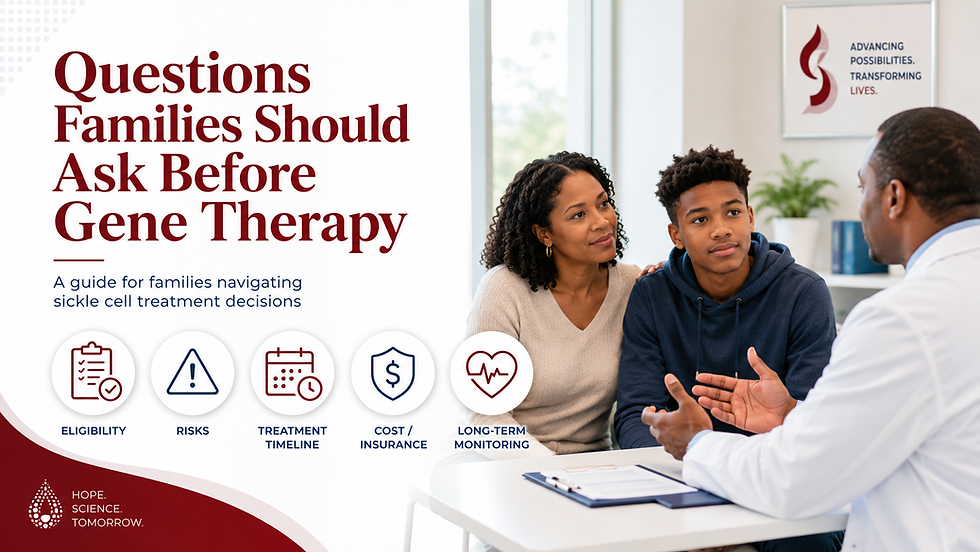
New ways to treat sickle cell disease are always being explored. One area that's getting a lot of attention is gene therapy. Think of it like this: our bodies have instructions, called genes, that tell them how to work. In sickle cell disease, there's a change in one of these instructions that causes red blood cells to become sickle-shaped. Gene therapy aims to fix or replace that faulty instruction. It's a complex area, and while it shows promise, it's still being studied. It's good to know about these advancements, but always talk to your doctor about what treatments are right for you.
Accessing Educational Articles and Libraries
Knowing more about sickle cell disease can make a big difference in how you manage it. There are many places to find reliable information. You can find articles that explain the disease in simple terms, discuss different symptoms, and talk about ways to stay healthy. Many organizations have online libraries filled with resources for patients and their families. These resources can help you understand your condition better and feel more in control of your health.
Look for information from reputable health organizations.
Read about the experiences of other people living with sickle cell.
Find guides on managing daily life with the condition.
Staying informed is a key part of taking care of yourself. When you understand what's happening with your body and what your options are, you can make better decisions about your health. Don't hesitate to ask your healthcare team for resources or recommendations.
Utilizing Clinical Trial Information
Clinical trials are studies that test new medicines or treatments to see if they are safe and effective. Participating in a clinical trial can be a way to access new therapies that aren't widely available yet. It's also a way to contribute to medical research that could help others in the future. If you're interested, you can often find information about ongoing sickle cell clinical trials through health organizations or by asking your doctor. They can help you understand what a trial involves and if it might be a good fit for you.
Fostering Community and Day-to-Day Well-being
Living with sickle cell disease means it touches many parts of your life, not just doctor's appointments. Finding people who get it can make a big difference. Connecting with others who have sickle cell, or who care for someone who does, can bring a sense of belonging and shared understanding. There are many groups out there, both online and in person, where you can talk about your experiences, share tips, and just feel less alone. You don't have to go through this by yourself.
Connecting with Support Groups
Support groups are a great place to find community. You can hear from others about how they manage daily life, deal with pain, and handle doctor visits. Some groups focus on specific needs, like groups for young adults, parents, or even men dealing with sickle cell. It's a chance to learn from peers and offer support back.
Here are a few types of groups you might find:
Virtual Support Meetings: These are often held online, making them easy to join from anywhere. They can be ongoing or monthly.
In-Person Local Chapters: Many organizations have local chapters that host regular meetings. These can be great for building local connections.
Online Forums and Chats: Platforms like GroupMe offer chat rooms for adults with sickle cell and for caregivers, allowing for quick check-ins and ongoing conversations.
Special Interest Groups: Some groups focus on specific aspects, like prayer or peer advice.
Managing Sickle Cell at School and Work
Sickle cell can affect your ability to attend school or work regularly. It's important to talk to your school or employer about your needs. This might include needing to take breaks, having a quiet place to rest if you feel unwell, or needing flexibility with attendance. Many schools and workplaces want to support their students and employees, but they need to know what's going on. Having a plan in place can help reduce stress and make sure you can keep up with your responsibilities.
Engaging with Community Resources
Beyond formal support groups, there are many community resources that can help. Local sickle cell organizations often have a wealth of information and can connect you to services. They might offer help with transportation to appointments, provide educational materials, or connect you with social workers. Don't hesitate to reach out to these groups; they exist to help people with sickle cell disease live better lives. You can often find these organizations through national sickle cell associations, which can point you to local support services.
Taking care of yourself day-to-day involves more than just medical treatments. Building a strong support network and knowing how to manage sickle cell in your daily routines at school or work are key parts of living well. Community resources are there to help fill in the gaps and provide practical assistance.
Proactive Health Management and Prevention
Taking steps to stay healthy can make a big difference when you have sickle cell disease. It's about being prepared and taking care of yourself every day to help avoid problems. Think of it like this: a little bit of attention now can save you a lot of trouble later.
Preventing Common Illnesses and Infections
For someone with sickle cell, even a simple cold can sometimes lead to more serious issues, like a pain crisis. That's why it's really important to be extra careful about your health. Simple things like washing your hands often, keeping hand sanitizer handy, and cleaning your living space regularly can help a lot. Being mindful of germs is a key part of staying well.
The Importance of Vaccinations
Vaccines are one of our best defenses against serious illnesses. Staying up-to-date with your shots, including your yearly flu vaccine and any recommended COVID-19 boosters, is a smart move. These vaccines are safe and help protect you from infections that could cause big problems. It’s a good idea to talk with your doctor about which vaccines are right for you and when you should get them.
Routine Screenings and Adherence to Treatment
Keeping up with your regular doctor's appointments is a big part of managing sickle cell. This includes seeing your hematologist, your regular doctor, and your eye doctor. It's also important to follow the treatment plan your doctor gives you. If you're not sure about something or have questions about your medications or therapies, don't hesitate to ask. Your healthcare team is there to help you understand and stick to your treatment. You can find more information about building your care team at OneSCDVoice – Places and People.
Sticking to your treatment plan and attending all your appointments helps your doctors keep a close eye on your health. This allows them to catch any potential issues early and adjust your care as needed, which is vital for managing sickle cell disease effectively.
Transitioning Care and Life Stages
Moving from childhood care to adult care can feel like a big step, and it is. It’s a time when you start taking more charge of your own life, including your health. This shift is common for teens and young adults with sickle cell disease. It means learning to manage your health more independently.
Moving from Pediatric to Adult Care
As you get older, your healthcare needs change. The doctors and nurses who cared for you as a child might not be the best fit anymore. It’s important to find adult doctors who know about sickle cell disease. This process, often called transitioning, is about making sure you have the right support as you grow up. Starting this conversation early is key. It helps you get comfortable with managing your appointments, understanding your medicines, and talking to your doctors about what you need.
Here are some things to think about during this transition:
Getting Involved: Start asking questions about your health. If you're a teen, ask your parents or guardians if you can start going to appointments alone or help schedule them. It’s your health, and learning to manage it is a big part of becoming an adult.
Understanding Your Health: Learn about your condition. Know what medications you take, why you take them, and what to do if you have symptoms. Your pediatric team can help you learn these things before you move to adult care.
Finding New Doctors: Look for adult doctors who have experience with sickle cell disease. Your current pediatric team can often give you recommendations. It’s important to find providers you trust and feel comfortable talking to.
Discussing Health Insurance for Young Adults
Health insurance can be confusing, but it's really important for getting the care you need. When you turn 26, you usually can't stay on your parents' insurance anymore. It’s a good idea to learn how insurance works before you need to get your own plan. This means understanding terms like deductibles, co-pays, and what your policy covers. If you get insurance through a job, make sure it covers your sickle cell treatments and doctor visits. Sometimes, there are specific programs or plans that can help young adults with chronic conditions. Talking to your parents or a trusted adult about your insurance options is a good first step.
Seeking Transition-Specific Support
It’s normal to have questions and even feel a little worried about this transition. Luckily, there are groups and resources designed to help. Connecting with others who are going through the same thing can make a big difference. These groups can offer advice, share experiences, and provide a sense of community. You might find local organizations or online communities that focus on helping young adults with sickle cell disease manage this change. Don't hesitate to reach out and see what support is available in your area. You don't have to figure this all out alone.
Managing a chronic condition like sickle cell disease means you'll encounter different stages of life, each with its own set of challenges and needs. The move from pediatric to adult healthcare is a significant one, requiring a proactive approach to ensure continuity of care and personal independence. Building confidence in self-management is a gradual process, and having the right support systems in place makes it much smoother.
Remember, taking charge of your health is a journey. Each step you take, like understanding your insurance or finding a new doctor, is a step towards a healthier future. You can find more information about managing sickle cell disease at SCDAA.
Holistic Self-Care Strategies
Taking good care of yourself day-to-day is a big part of managing sickle cell disease. It's about more than just taking medicine; it's about how you live your life. Small, consistent actions can make a real difference in how you feel and help prevent pain crises.
Maintaining a Healthy Diet
What you eat fuels your body. Focusing on whole foods – like fruits, vegetables, whole grains, and lean proteins – gives your body the best chance to work well. Try to limit processed foods, sugary drinks, and fast food. If cooking feels like too much, look for simple recipes or meal prep ideas. Sometimes, just knowing where to start with healthy eating can be a hurdle, but resources are out there to help you plan meals and shop smart.
Prioritizing Hydration
Dehydration is a common trigger for pain crises, so drinking enough fluids is really important. Aim for about 8 to 10 glasses of water each day. It might sound like a lot, but there are ways to make it easier. Carry a water bottle with you and mark it so you can see your progress. Keep extra bottles in your car or bag. You can also make water more appealing by adding fruit slices or using sugar-free flavorings. Swapping out sugary sodas or coffee for water, herbal tea, or sparkling water is a good move too.
Understanding Self-Care Triggers
Sometimes, things we don't even think about can set off a pain crisis. It's helpful to pay attention to what might be affecting you personally. This could include things like:
Temperature changes: Getting too cold can be a trigger for some. Dressing in layers and staying warm indoors and outdoors can help.
Overexertion: While exercise is good, pushing yourself too hard can cause problems. Find activities you enjoy that are gentle, like walking or yoga, and remember to take breaks.
Stress: Life can be stressful, and that stress can affect your body. Finding ways to relax, like deep breathing, spending time with loved ones, or engaging in a hobby, can be beneficial. If stress feels overwhelming, talking to a counselor can provide support.
Paying attention to these personal triggers and making adjustments can significantly improve your daily well-being and help reduce the frequency of pain crises. It's about listening to your body and responding with care.
It's also a good idea to stay up-to-date with vaccinations to prevent common illnesses that could lead to complications.
Taking care of yourself is super important, especially when facing big life changes. Finding ways to relax and recharge can make a huge difference. Think about simple things like deep breathing, going for a walk, or just listening to your favorite music. These small acts of self-kindness add up to a stronger you. Want to discover more easy ways to boost your well-being? Visit our website for helpful tips and resources.
Moving Forward with Support
Living with sickle cell disease means facing challenges, but you don't have to go it alone. We've talked about a lot of different services and groups out there that can help with everything from doctor visits and managing your health day-to-day, to finding emotional support and even help with school or work. It's a lot to take in, for sure. But remember, there are people and organizations ready to lend a hand. Staying informed and reaching out to these resources is a big step in living as well as you can with sickle cell. Keep connecting, keep learning, and know that support is available.
Frequently Asked Questions
What is sickle cell disease?
Sickle cell disease is an inherited sickness that affects your red blood cells. Normally, red blood cells are round and move easily through your body. But with sickle cell disease, some red blood cells are shaped like a crescent moon, or a sickle. These sickle-shaped cells can get stuck and block blood flow, causing pain and other problems.
Who should be on my sickle cell care team?
It's good to have a team of doctors and helpers. This usually includes a hematologist (a blood doctor), your regular doctor (PCP), an eye doctor (ophthalmologist), and maybe a therapist for mental health. Sometimes, community health workers can also help connect you to services.
How can I protect myself from getting sick?
It's super important to avoid getting sick because even a simple cold can lead to bigger problems with sickle cell. Wash your hands a lot, use hand sanitizer, and keep your space clean. Also, make sure to get all your shots, like the yearly flu shot and COVID-19 vaccines.
What are some ways to manage sickle cell day-to-day?
Living with sickle cell means it can affect your daily life. Finding support groups where you can talk to others who understand can be very helpful. Also, learning how to manage it at school or work is key. Many organizations offer resources to help you connect with others and find support in your community.
What are some new treatments for sickle cell disease?
Scientists are always working on new ways to help people with sickle cell. One exciting area is gene therapy, which aims to fix the gene that causes the disease. There are also clinical trials where people can try new medicines or treatments before they are available to everyone.
What can I do to take care of myself at home?
Self-care is really important! Eating healthy foods, drinking plenty of water to stay hydrated, and getting enough rest can make a big difference. It's also good to know what things might trigger pain or problems for you, like being too tired or stressed, and try to avoid them.
Comments