.png)
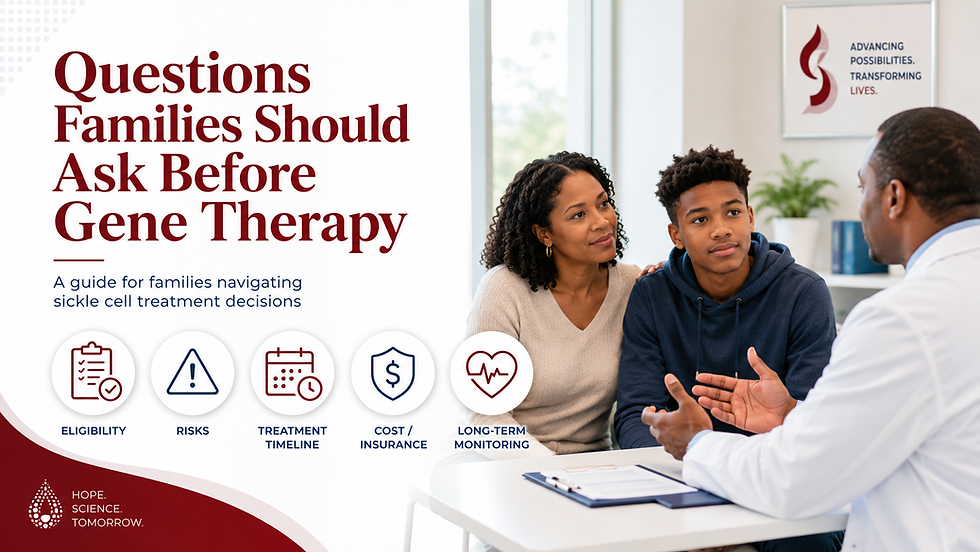
Questions Families Should Ask Before Sickle Cell Gene Therapy

Thinking about gene therapy for sickle cell disease is a big step. It's a new kind of treatment, and like anything new, it brings up a lot of questions. Families want to know how it works, if it's the right choice for them, and what comes next. This article aims to help by laying out some important questions families should ask before gene therapy. We'll cover what you need to know to make an informed decision.
Key Takeaways
Gene therapy is a new treatment that could potentially cure sickle cell disease by fixing the underlying genetic issue, but it's still early days to confirm long-term success.
Not everyone with sickle cell disease is eligible; factors like disease type, organ damage, and existing infections play a role, and a matched sibling transplant might be a better option for some.
The treatment involves chemotherapy, which carries risks like infertility and a higher chance of developing secondary cancers, requiring close monitoring for at least 15 years.
Gene therapy is very expensive, with costs in the millions, and how insurance will cover these treatments is still being worked out.
Families should discuss all available treatment options, including gene therapy, with their doctors, and seek out support resources to help navigate the process.
Understanding Gene Therapy for Sickle Cell Disease
What is Gene Therapy and How Does It Work?

Gene therapy for sickle cell disease is a pretty new idea, and it's exciting because it aims to fix the problem right at its source. Think of it like this: sickle cell disease happens because of a small mistake in the instructions (genes) inside your body's cells that tell them how to make hemoglobin. Hemoglobin is the part of your red blood cells that carries oxygen. In sickle cell, this mistake causes red blood cells to become stiff and shaped like a crescent moon, or a "sickle," instead of being round and flexible. These sickled cells can block blood flow, causing a lot of pain and other health issues.
Gene therapy tries to correct this. The general idea is to take some of your own stem cells – the cells that make all your blood cells – out of your body. Then, in a lab, scientists work to fix or replace the faulty gene, or add a working gene. After that, these modified stem cells are put back into your body. The goal is for these new, healthy stem cells to start making normal red blood cells, which should then reduce or even stop the problems caused by sickled cells.
Is Gene Therapy a Potential Cure for Sickle Cell Disease?
This is the big question, and the honest answer is: we don't know for sure yet. Gene therapy is considered a potentially curative treatment, meaning it could act as a cure. The early results are very promising, showing a significant drop in painful episodes for many people who have received it. However, because this is such a new treatment, we need more time to see what the long-term effects are and if it truly eliminates the disease for good. It's not quite a "one-and-done" fix that we can definitively call a cure just yet. The FDA is recommending that patients be followed for at least 15 years to gather more information.
While gene therapy offers a lot of hope, it's important to remember that it's still a developing field. Long-term studies are ongoing to fully understand its impact and safety.
Does Gene Therapy Work for All Types of Sickle Cell Disease?
Right now, the gene therapies that have been approved are designed to help with specific types of sickle cell disease. The main types they are approved for are Sickle Cell Disease (SS) and Sickle Beta-Zero Thalassemia. There's less experience and data with other types, like Sickle Cell Disease (SC), so it's not currently recommended for those. The therapy works by increasing a type of hemoglobin called fetal hemoglobin (HbF), which doesn't sickle. While this approach is thought to be helpful for all types, the actual effectiveness and how much data we have varies. It's really important to talk with your doctor about which specific type of sickle cell disease you have and whether the approved gene therapies are suitable for it.
Here's a quick look at what we know so far:
Approved for: Sickle Cell Disease (SS), Sickle Beta-Zero Thalassemia
Not currently approved for: Sickle Cell Disease (SC)
Mechanism: Aims to increase fetal hemoglobin (HbF) production
Data: Most experience is with SS and S-Beta-Zero Thalassemia types.
Eligibility and Treatment Considerations
Deciding if gene therapy is the right path for your family involves looking closely at who can get it and what the treatment process actually looks like. It's not a one-size-fits-all situation, and understanding these details is a big part of making an informed choice.
Who is Eligible for Gene Therapy?
Right now, gene therapy for sickle cell disease is approved for individuals aged 12 and older. The specific types of sickle cell disease that qualify are sickle cell anemia (HbSS) and sickle beta-zero thalassemia (HbS/β0). It's important to know that other types of sickle cell disease, like sickle cell C (HbSC), are not currently included in these approvals. There are also other health factors that might prevent someone from being eligible. For example, if you have a current, recurring viral infection or significant organ damage already caused by sickle cell, gene therapy might not be recommended. Your medical team will go over all these points with you.
Age: 12 years and older.
Disease Type: Sickle cell anemia (HbSS) and sickle beta-zero thalassemia (HbS/β0).
Exclusions: Active recurring viral infections, significant organ damage.
It's also worth noting that if a matched sibling donor is available for a bone marrow transplant, that is often considered the preferred route over gene therapy. This is a complex decision, and your doctors will help you weigh all the options.
Making sure you're a good candidate for gene therapy means looking at your overall health, not just your sickle cell type. Doctors need to be sure the treatment can be given safely and effectively for your specific situation.
Where Can Gene Therapy Be Received?
Receiving gene therapy is a specialized process. Treatment typically happens at major medical centers that are already equipped to handle bone marrow transplants and have experience with sickle cell disease. Finding these centers might take some effort, as they are not everywhere. It's a good idea to ask your healthcare team about potential locations. You can also look for resources that list approved treatment facilities. For families seeking genetic counseling, understanding your risk is a key first step genetic counseling.
What is the Time Commitment for Gene Therapy?
Gene therapy isn't a quick fix; it requires a significant time commitment from both the patient and their family. The process usually starts with a period of evaluation to make sure you're ready. Then comes the actual treatment, which involves chemotherapy to prepare your body. After the gene therapy is administered, there's a lengthy recovery and monitoring phase. This can involve weeks or months in the hospital, followed by regular check-ups for an extended period. The total time involved, including recovery and ongoing follow-up appointments, can stretch over several years. Your medical team will provide a detailed timeline specific to your situation.
Potential Risks and Side Effects
Like any medical treatment, gene therapy for sickle cell disease comes with potential risks and side effects that families should be aware of. It's important to have a clear picture of what these might be so you can make informed decisions.
What Are the Known Side Effects of Gene Therapy?
Gene therapy involves a few steps, and side effects can happen at different points. Before receiving the gene therapy itself, you'll undergo a process that includes chemotherapy. This chemotherapy is given to make space in your bone marrow for the new cells. It can cause temporary side effects like:
Low blood pressure and hot flashes during the infusion.
A weakened immune system, making you more susceptible to infections for a period.
Temporary hair loss.
Potential infertility, meaning it might affect your ability to have children in the future. It's a good idea to discuss fertility preservation options with your doctor before starting treatment.
After the gene therapy infusion, you'll be monitored closely. Some side effects can occur during or shortly after the treatment, such as low blood pressure or hot flashes. Longer-term, there's also a risk of your blood platelets taking longer to recover, which could affect blood clotting and potentially lead to bleeding.
It's really important to remember that many of these side effects are temporary and manageable. Your medical team will be watching you very closely to help with any issues that come up.
What is the Risk of Developing Secondary Cancers?
This is a serious concern that doctors and researchers are carefully monitoring. There is a risk that gene therapy, particularly treatments that use a viral vector to deliver the gene, could increase the chance of developing blood cancers later on. This risk is linked to the chemotherapy used before the gene therapy and potentially the vector itself. For example, with one of the approved therapies, Lyfgenia, there's a warning about this possibility. It's something that can develop many years after treatment. Because of this, ongoing monitoring is recommended for at least 15 years after treatment, often including regular blood tests and specialized evaluations. If you notice any unusual signs like unexplained bruising or bleeding, severe tiredness, fever, or swollen glands, it's important to contact your doctor right away.
How Will My Health Be Monitored After Treatment?
Monitoring after gene therapy is a key part of the process to ensure your long-term health and to catch any potential issues early. This monitoring typically involves:
Regular Check-ups: You'll need to see your healthcare provider regularly. These appointments are to check how you're doing, see if the gene therapy is working as expected, and look for any side effects.
Blood Tests: These are crucial for tracking your blood cell counts and overall blood health. They help doctors see how your bone marrow is recovering and functioning.
Specialized Evaluations: Depending on your situation and the specific therapy you received, your doctor might recommend more in-depth tests. This could include more frequent blood tests or even a bone marrow evaluation to get a closer look at how your cells are doing.
Long-Term Follow-Up Studies: Many patients are encouraged to enroll in studies that track their health for many years, sometimes 15 years or more. This helps researchers gather more information about the long-term safety and effectiveness of gene therapy and the risk of secondary cancers. Participating in these studies is a way to contribute to the growing knowledge about these new treatments.
It's a commitment, but this careful follow-up is designed to support your well-being long after you leave the treatment center. Discussing these monitoring plans thoroughly with your doctor is a good step when considering sickle cell treatment options.
Financial and Insurance Aspects
Gene therapy for sickle cell disease is a complex treatment, and understanding the costs involved is a big part of the conversation. It's not just about the therapy itself, but also the hospital stays, doctor visits, and ongoing monitoring that come with it. This can feel overwhelming, but breaking it down can help.
What is the Estimated Cost of Gene Therapy?
The price tag for gene therapy can be substantial, often running into the hundreds of thousands or even millions of dollars. This includes the specialized laboratory work to modify your cells, the chemotherapy needed before the infusion, the hospital stay, and the medical team's expertise. It's important to remember that these costs can vary quite a bit depending on the specific therapy, the treatment center, and your individual medical needs. For example, treatments like Casgevy have specific pricing structures that your care team can help explain.
How Will Insurance Companies Cover Gene Therapy Costs?
This is where things can get complicated, but also where there's progress being made. Many insurance companies are still developing policies for covering gene therapies. It often requires a detailed review and pre-approval process. Your healthcare team, including financial counselors and social workers, will be your biggest allies here. They can help you understand what your specific insurance plan might cover, assist with the appeals process if needed, and explore options like patient assistance programs offered by the therapy manufacturers or non-profit organizations.
Here's a general idea of what to expect when talking to your insurance provider:
Pre-authorization: Most insurance plans will require pre-approval before covering gene therapy. This involves submitting extensive medical documentation.
Coverage Limits: Understand if there are any limits on what your plan will pay for, such as annual maximums or specific exclusions.
Out-of-Pocket Costs: Even with insurance, you'll likely have deductibles, co-pays, and co-insurance. Ask about payment plans or financial assistance to manage these costs.
Appeals Process: If your claim is denied, know that there is usually an appeals process. Your care team can guide you through this.
It's wise to start these financial conversations early in the process. The sooner you and your care team understand the potential costs and insurance landscape, the better prepared you'll be to manage them. Don't hesitate to ask for help from hospital financial navigators or patient advocates; they are there to support you through this.
When discussing treatment options, it's also helpful to ask about the long-term costs associated with managing sickle cell disease, as gene therapy aims to reduce these over time. This includes fewer hospitalizations, less need for pain medication, and potentially fewer complications that require expensive interventions.
Exploring Alternative Options
What Other Treatment Options Are Available?
While gene therapy is a new and exciting option for sickle cell disease (SCD), it's not the only path forward. Many families find that other treatments, or a combination of treatments, work well for managing SCD. It's really about finding what fits best for your specific situation and health needs. Your doctor can talk you through the current standard treatments that have been around for a while.
These can include:
Hydroxyurea: This is a medication that helps increase fetal hemoglobin (HbF) in your blood. More HbF can mean fewer pain crises and less need for blood transfusions. It's been a go-to treatment for many years.
Blood Transfusions: These can help by providing healthy red blood cells to carry oxygen. They are often used to prevent serious complications like stroke or to treat severe anemia.
Pain Management: This is a big one. It involves a mix of medications, therapies, and sometimes lifestyle adjustments to help manage the pain that comes with SCD.
Infection Prevention: Because SCD can make it harder to fight off infections, things like regular vaccinations and sometimes antibiotics are important.
Sometimes, new treatments are also available through clinical trials. These are research studies testing new medications or therapies. Your doctor might know if any trials are a good fit for you or your loved one.
It's important to remember that managing sickle cell disease is often a journey. What works today might be different from what works in the future, and that's okay. The goal is always to find the best way to improve quality of life and reduce complications.
When Should a Matched Sibling Donor Transplant Be Considered?
For some individuals with sickle cell disease, a bone marrow transplant (also called a stem cell transplant) from a matched sibling donor is a very effective option. This is often considered a potential cure for SCD. It works by replacing the diseased bone marrow with healthy marrow from a donor.
Here's a bit more about when this might be the right choice:
Availability of a Match: The most important factor is having a sibling who is a close match for your tissue type. This is often referred to as a Human Leukocyte Antigen (HLA) match.
Potential for Cure: A successful transplant can essentially cure sickle cell disease by allowing your body to produce healthy red blood cells.
Risks Involved: Like any major medical procedure, a bone marrow transplant has risks. These include the possibility of graft-versus-host disease (GVHD), where the donor's cells attack your body, and the need for strong medications to prevent rejection, which can have their own side effects.
Conditioning Regimen: Before the transplant, you'll need a conditioning regimen, which usually involves chemotherapy. This helps prepare your body to receive the new stem cells and reduces the risk of rejection.
If you have a matched sibling donor, your medical team will likely discuss this option with you as a primary consideration before exploring gene therapy. They will weigh the benefits and risks of both a transplant and gene therapy based on your specific health status and the availability of a donor match.
Long-Term Outlook and Support

After gene therapy, your health journey continues. It's important to know what to expect down the road and where to find help.
What Are the Long-Term Impacts of Gene Therapy?
Gene therapy is still a new field, especially for sickle cell disease. While the goal is to correct the underlying genetic issue, doctors are still gathering information on the very long-term effects. Ongoing monitoring is key to understanding how the therapy affects your body over many years. This includes watching for any new health concerns that might arise, even years after treatment. Researchers are also looking into whether there are any effects on future generations, which is a consideration for any potential long-term effects.
What Support Resources Are Available for Families?
Living with sickle cell disease, and undergoing a complex treatment like gene therapy, can bring challenges. Thankfully, there are many places to turn for help:
Medical Teams: Your doctors and nurses will be your primary source of information and care. They'll guide you through follow-up appointments and manage any health changes.
Patient Advocacy Groups: Organizations like the Sickle Cell Disease Association of America (SCDAA) offer a wealth of information, support groups, and resources. They can connect you with others who have similar experiences.
Counseling and Mental Health Services: Dealing with a chronic illness and a new treatment can be emotionally taxing. Talking to a counselor or therapist can provide valuable support for both patients and their families.
Financial Assistance Programs: The cost of gene therapy can be significant. Many companies and non-profits offer programs to help with treatment expenses and ongoing care.
It's important to remember that you are not alone in this process. Building a strong support network, both medically and emotionally, is a vital part of managing sickle cell disease and its treatments.
Navigating the future after gene therapy can feel overwhelming, but you don't have to go through it alone. We're here to offer ongoing help and guidance for families. If you're looking for continued support and resources, visit our website today to learn more about how we can assist you on this journey.
Wrapping Up Your Gene Therapy Questions
So, gene therapy for sickle cell is a big deal, and it's totally understandable to have a ton of questions. We've gone over a lot, from how it works to what to expect and the important things to ask your doctor. Remember, this is a new frontier, and while it holds a lot of promise, it's also complex. Talking openly with your healthcare team is key. They're there to help you figure out if this path is right for you and your family, weighing all the pros and cons. Keep asking questions, keep learning, and stay informed. You've got this.
Frequently Asked Questions
What exactly is gene therapy for sickle cell disease?
Gene therapy is a new kind of treatment that aims to fix the root cause of sickle cell disease. It involves changing or adding a gene to your body's cells, usually the stem cells in your bone marrow. The goal is to help your body make healthy red blood cells, just like someone without sickle cell disease. Think of it like giving your body new instructions to build better blood cells.
Can gene therapy be considered a cure for sickle cell disease?
Gene therapy is considered a potentially curative treatment, meaning it could offer a long-term solution. While it has shown great promise in reducing painful episodes and improving health for many, it's still a new treatment. Doctors need more time to see the full long-term effects and confirm if it's a permanent cure for everyone. It requires careful monitoring for many years after treatment.
Who is a good candidate for gene therapy?
Currently, gene therapy is approved for individuals aged 12 and older who have specific types of sickle cell disease, like Sickle Cell Disease SS and S-beta-zero-thalassemia. It's generally not recommended if you have certain ongoing infections or significant organ damage. Also, if you have a sibling who is a perfect match for a bone marrow transplant, that might be a better option to discuss with your doctor first.
What are the risks and side effects involved?
To prepare your body for gene therapy, you'll need chemotherapy, which can have side effects. These might include temporary hair loss, a weakened immune system making you more prone to infections, and potential issues with fertility. There's also a rare but serious risk of developing secondary cancers years after treatment, which is why long-term monitoring is essential.
How much does gene therapy cost and is it covered by insurance?
Gene therapy is very expensive, with costs estimated to be in the millions of dollars. Insurance coverage is still being worked out, and it can be a significant hurdle for families. It's crucial to talk with your healthcare team and insurance providers early on to understand the financial aspects and potential coverage options.
Where can I get gene therapy and what's the time commitment?
You'll likely receive gene therapy at specialized medical centers that have experience with both bone marrow transplants and sickle cell disease. Finding these centers might take some effort. The entire process, from preparing for treatment to recovery and ongoing monitoring, can take a significant amount of time, often spanning many months and requiring regular follow-up appointments for years.
Comments